PLAN A TRIP

Sangla


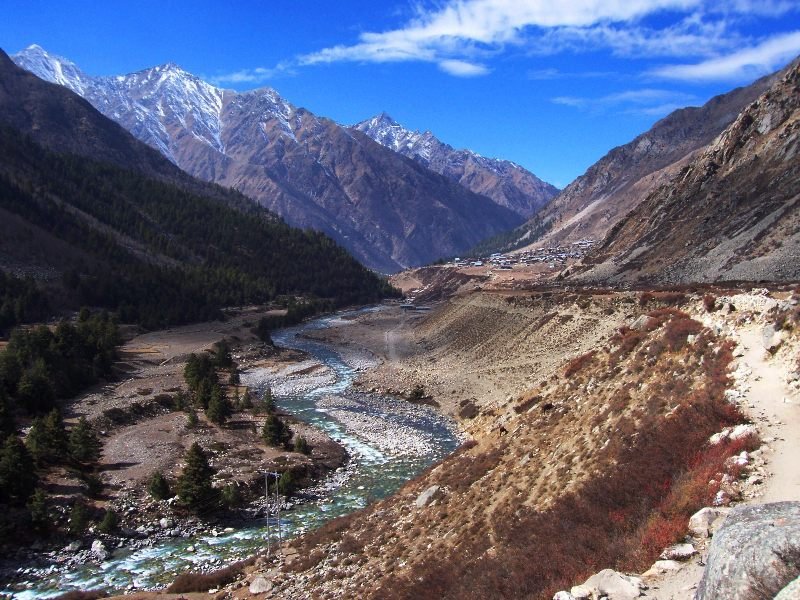
The Sangla valley is spread over 42 Km at a height of 8,789 ft on the banks of the Baspa tributary of the Satluj, between the Great Himalayan and Dhauladhar ranges near Himachal’s south-eastern border with Tibet. The largest village in Kinnaur, Sangla often lends its name to the whole Baspa Valley. A drive through this area encaosulates a dramatic transition in landscape from spectacular river gorge at the entrance to Kinnaur to alpine valley pastures. The valley is surrounded by forested slopes and offers views of the high mountains. Its location in the greater Himalayan range gives it a milder climate than the plains. Sangla is the major town in the valley with having petrol pump, Bank ATMs, Post Office, Restaurants, Bar, hotels and shops. Sangla Valley is a part of Kinnaur and inhibited by Kinnauris. The main livelihood is agriculture while apples are a major cash crop here. Sangla village is on a slope with houses rising one above the other with gigantic Kinner-Kailash peak (6,050 m) towering over it.  

Tourist Attraction


Kamru Fort

Standing at an altitude of 2600m above sea level, Kamru fort is 229 km from Shimla and 2 km from the beautiful Sangla Valley. It is one of the oldest forts in Himachal. This fort was the place where rajas of Kinnaur were crowned. Now this fort is dedicated to Kamakshi Temple. An exotic Image of Lord Buddha on the Fort's Main Gate and an Image of Kamkhya Devi are the unique features of this fort.  The Goddess idol was brought from Guwahati (Assam).  


Rakcham & Chitkul villages

Rakcham located midway between Sangla and Chitkul – the last Indian village before the Tibet Border.  It is at an altitude of 2900 meters approx 10,000 ft above sea level. There are two temples in the village, Kali and Shiva as also a Buddhist shrine. The place however is blessed with crops, abundant water, and natural beauty. The people of Rakcham are mostly nomadic and known as Kinnaurs. Chitkul village is the last inhabited village near the Indo-China border. Chitkul are its houses with either slate or wooden plank roofs, a Buddhist temple and a small tower.  The valley is extremely beautiful, on the left bank of the Baspa River are snow-clad mountains and on the right bank the whole terrain is full of apple orchids and wooden houses. Tourist enjoy some wonderous views of the Great Himalaya during the walk, which also gives an opportunity to observe closely the flora and fauna of the valley.  

Get Free Tour Plan