Home India Western & Central India Gujarat Dasada
Rann of Kutch is largest stretch of salt marshes and the largest salt desert in the world, located mostly in Sindh, Pakistan and the western tip of Gujarat (primarily the Kutch district), India. Rann of Kutch contains salt desserts and grassland of many species. The small grass of Banni Grasslands located on the marshy salt flats of Rann of Kutch. It is divided into two main parts; Great Rann of Kutch and Little Rann of Kutch. The Little Rann of Kutch has a stark and unforgettable beauty – in sunlight, the salt crystals in the sand glitter like diamonds, while at night they bathe the landscape in an eerie blue haze. The Great Rann of Kutch is a remarkable place to visit as much of it consists of the world's largest salt desert, measuring around 10,000 square kilometers. More amazing thing about it is that the salt desert is underwater during the main monsoon season and for the remaining eight months of the year, it's an enormous stretch of packed white salt.

Some 4841 sq km of this unique eco-system, which supports a wildlife sanctuary which is one of the last refuges of the Asiatic wild ass, known locally as ghorkhur. Akin to the Tibetan kiang, the ghorkhur is distinguished by a dark stripe along its back. Known for its speed (upto 60 km), the wild ass lives in herds led by a stallion and survives by migrating between the grassy bets throughthe seasons in search of food. The sanctuary also has a large population of nilgai (blue bull), blackbuck, chinkara (Indian gazelle), wolves and the rare caracal. Birdlife includes migratory demoiselle cranes, pelicans and flamingoes who come to the salt marshes during the winter months

This world famous Chir Batti is light of ghost reported in the Banni grasslands of Rann of Kutch. Chir Batti appear at the junction of marshy wetland, salt flats and the desert near the Indian border. It is described as an unexplained light occurring on dark nights as bright as a mercury lamp and colors of light keep changing to blue, red and yellow and it resembles a moving ball of fire.
It is an archaeological site at Khadirbet in Bhachau Taluka of Kutch District. Locally also known as Kotada timbathe, the site contains ruins of an ancient Indus Valley Civilization / Harappan city. Counted as one of the significant Harappan sites and most prominent archaeological sites in India belonging to the Indus Valley Civilization. The site was discovered in 1967-8 by J. P. Joshi and is the fifth largest of eight major Harappan sites. It has been under excavation since 1990 by the Archaeological Survey of India. Dholavira is not only the opportunity of seeing world's earliest water conservation system, but also a signboard dating back to the Indus Valley civilization etched in Indus script and might just be world's first signboard.
Dasada,India
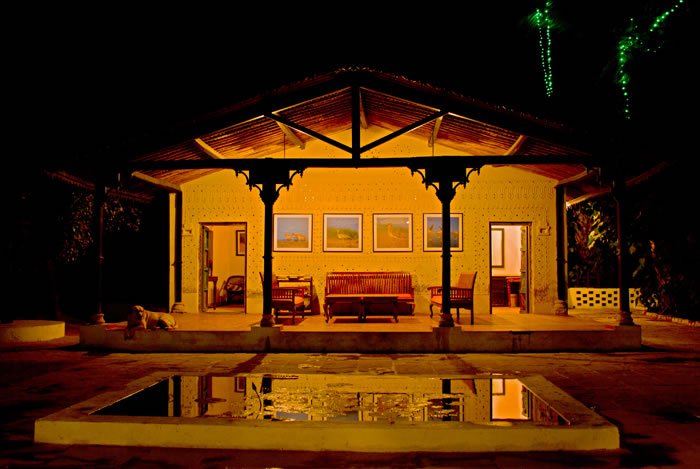
Surrounded by wetlands, Rann Riders is an eco-friendly resort imaginatively designed using local materials to recreate the appearance of a village. Accommodations are in cottages, resembling the kooba houses of the Bajania community of Dasada and the bhunga houses of the Rabaris of Kutch, decorated with mirrors, mud-plaster...
Population: 2,092,371
Average Climate:
| Summer: | 30° C - 48° C |
| Winter: | 12° C – 27° C |
Best time to visit: October to March