Day 01
Arrive Delhi
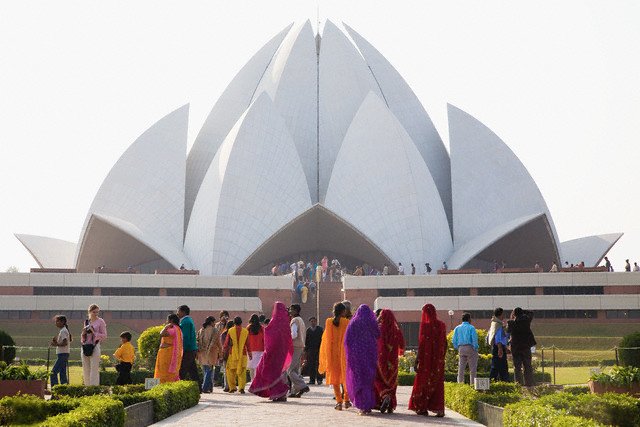
On arrival at Delhi international airport, meet, assist & transfer to hotel.
Overnight stay at the hotel.
They say that Ganga comes to Narmada every year, black with pollution, to purify herself and return to the North cleansed once again. They say that to wash away your sins you must bathe three times in the Saraswati, long lost to the desert, for a whole week in the Yamuna, once in Ganga herself; but of lovely Narmada the sight alone is enough...
 Culture
 Heritage
 Tribal
 Wildlife
On arrival at Delhi international airport, meet, assist & transfer to hotel.
Overnight stay at the hotel.
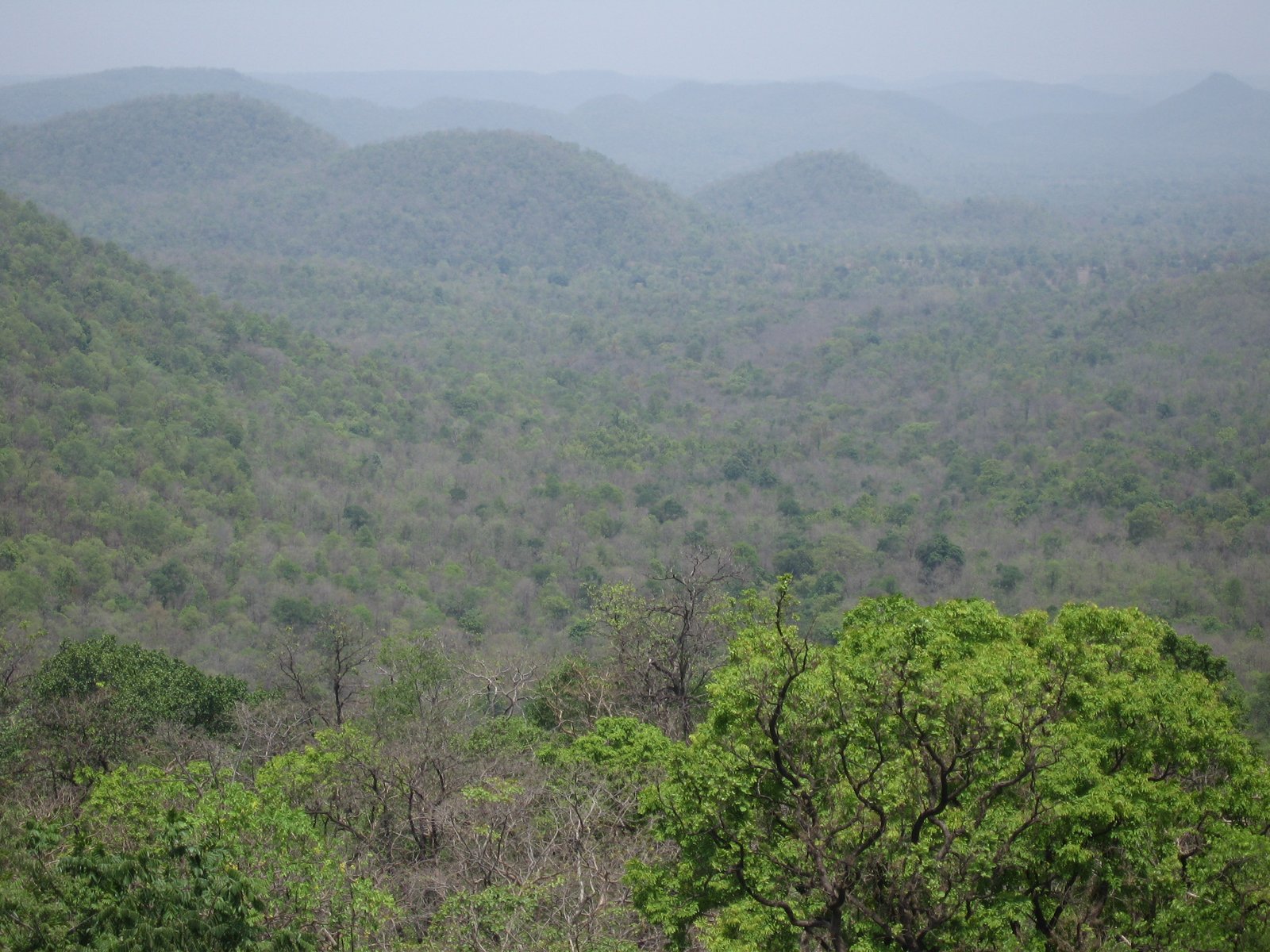
AM transfer to domestic airport for connect flight to Jabalpur. On arrival assisted transfer & you will drive north into the Maikal Hills to Sal Valley Resort close to Amarkantak, source of the Narmada River. In these timeless highlands of great forests of hardwood Sal (Shorea robusta) still live tribal peoples whose way of life is quite different to the mainstream.
Here is some of the finest Sal forest in Central India - great oceans of green stretching away to the west.
Overnight stay at hotel
Maikal Hills,
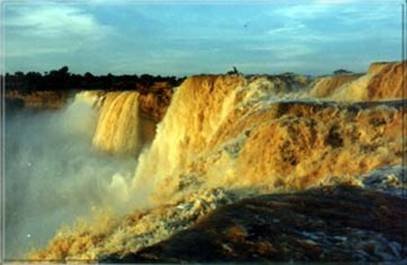
AM excursion to Amarkantak. The Amarkantak Valley is known for its wildlife, tribal culture (Baiga), Rock Caves with ancient Paintings and waterfalls. Wildlife here comprise Tiger, Bison, Sambar, Barking Deer, Musk Deer etc.
Later visit Achanakmar wildlife sanctuary.
Overnight stay at the hotel.
Wildlife Safari
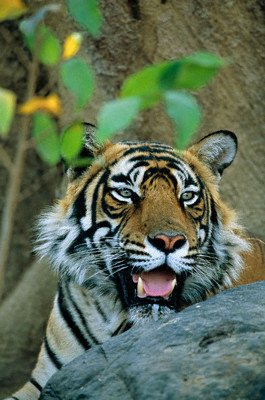
AM drive to Kanha. The Kanha Tiger Reserve is prime tigerland... the epitome of Kipling country with sal forests of sunlight and shadows, a myriad streams, rolling meadows and all the wildlife imaginable. Home to one of the world's most endangered deer - the hardground barasingha - this amazing National Park helped pioneer the advent of scientific conservation management in India. It is justifiably held out as one of Project Tiger's star success stories. There is a good chance of seeing a tiger on early morning elephant rides, or from vehicles both in the morning or evening. Barasingha deer, unique attraction of Kanha, leopard, jungle cat, sloth bear, wild dog (dhole), jackal and mongoose may also be encountered. Gaur, the world's largest ox, prefer highlands and the Mukki range is the best area. Only the largest tigers will try to bring down a bull gaur. Chital deer can be seen in herds of hundreds. Four-horned antelope (chausingha) and Nilgai can also be seen. Wild boar, prey for leopards and tigers, are common. The Hanuman langur (a primate) and palm squirrels are ubiquitous. Hyena, chevrotain (tiny mouse deer), porcupines, sambar and barking deer (muntjac) are more difficult to sight.
Jungle Safari
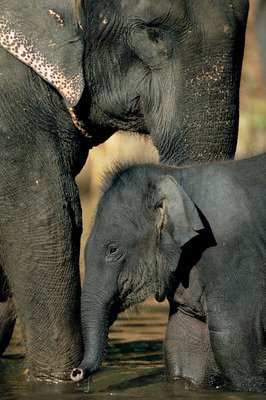
Morning & evening safari to the national park. Kanha is a birdwatcher's paradise, with more than 300 species. Binoculars are must. Both migrant and resident avians are found here in winter. A breathtaking view of Kanha and the Banjar Valley is possible from Bahmnidadar (850 m.) in the late afternoon, drive through rich forests framed with clumps of giant bamboo. Leopards are frequently spotted on this track, as are barking deer, sambar and jungle fowl. Afternoons are ideal to visit tribal villages located around the Park.
Overnight stay at the hotel.
Kanha National Park
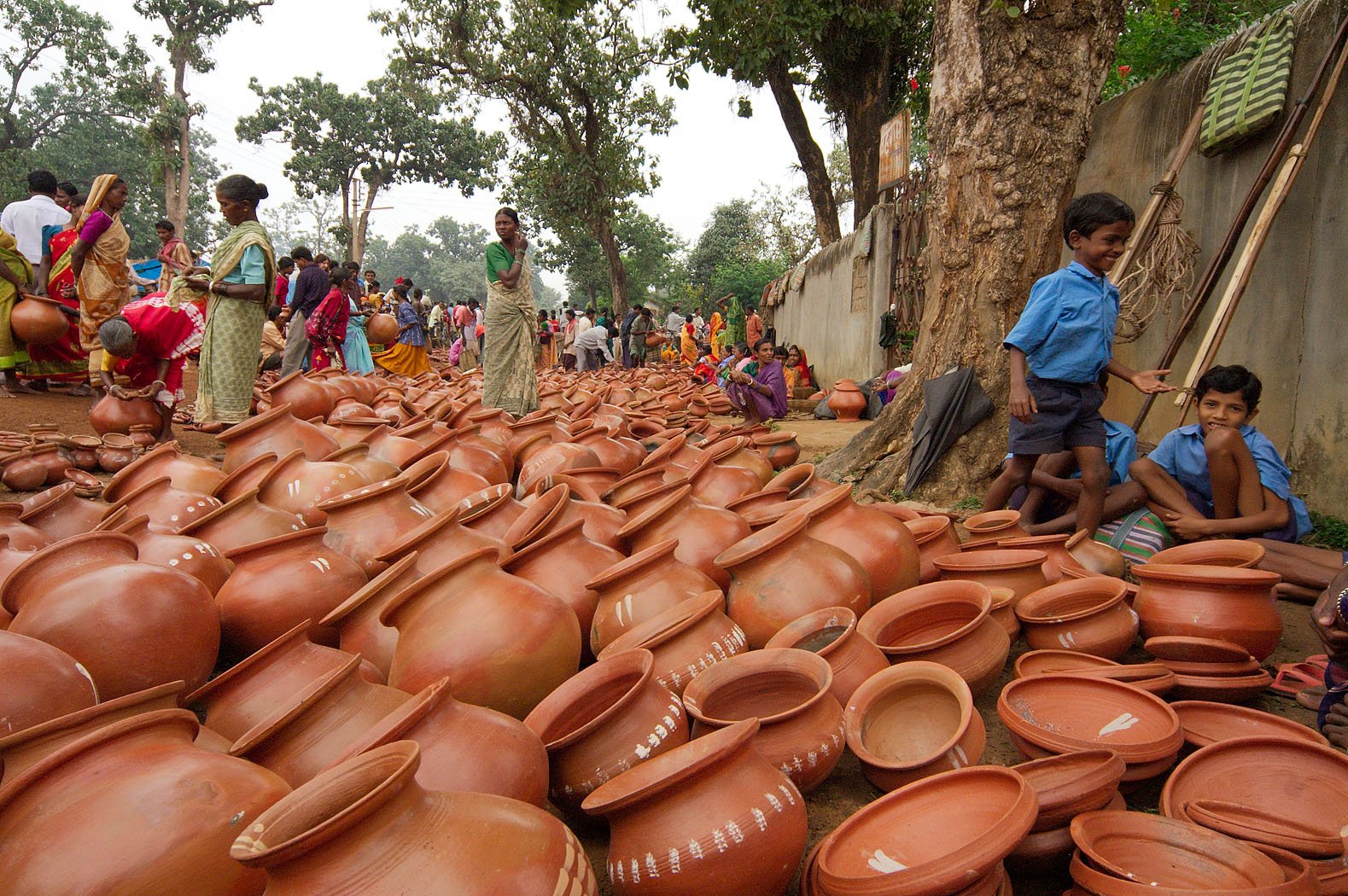
After a morning drive at Kanha, Kawardha is just two hours away, nestling below the Maikal Hills near Kwardha in Chattisgarh State. For two days you will be able to tour the nearby 11th century Bhoramdeo Temple site - a smaller version of world-famous Khajuraho - and the surrounding Gond and Baiga tribal settlements.
Maikal Hills
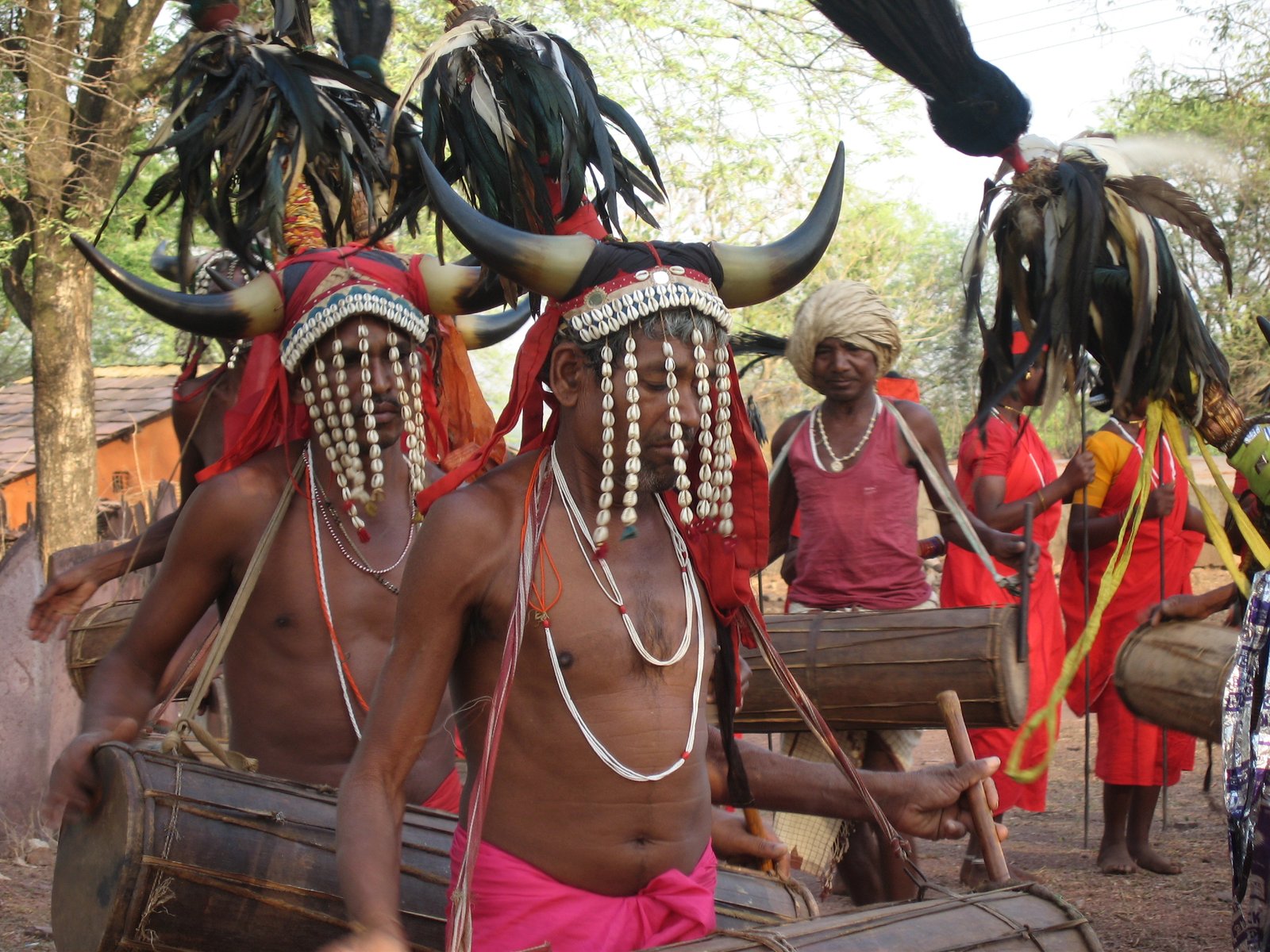
Kwardha offers the unusual chance to experience life at Central Indian village level. These hills were once the core of historical Gondwana, a land of tribal kingdoms and Gond clans many of whose descendants today maintain an animistic and close-to-nature way of life that the urban world can only dream of. The former princely state of Kawardha in which Bhoramdeo lies is itself a Raj Gond dynasty.
The Baiga are 'Pashupati' - Lords of the Animals - with esoteric natural powers. The term 'Baiga' is also used in the Gond world, not to refer to the distinct Baiga people, but as a title conferred on certain individuals with unusual spiritual gifts. Magic and the unseen powers of nature play a large part in the lives of these local tribes, but so do music and dance and a joy of living, even in often difficult economic circumstances.
Overnight stay at the hotel.
Sightseeing
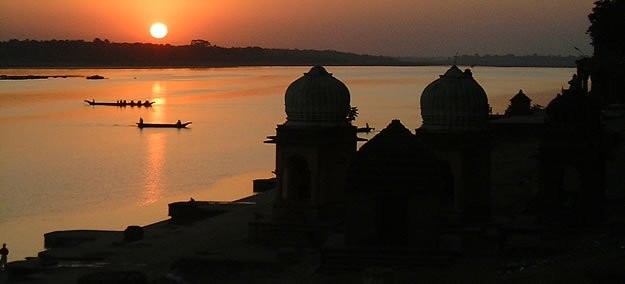
Morning, we leave this rural part of Gondwana for a 2-hour drive to Raipur Airport in time for connect flight to Indore in western Madhya Pradesh, virtually following the westward course of the Narmada.
On arrival transfer to hotel.Check in & overnight stay.
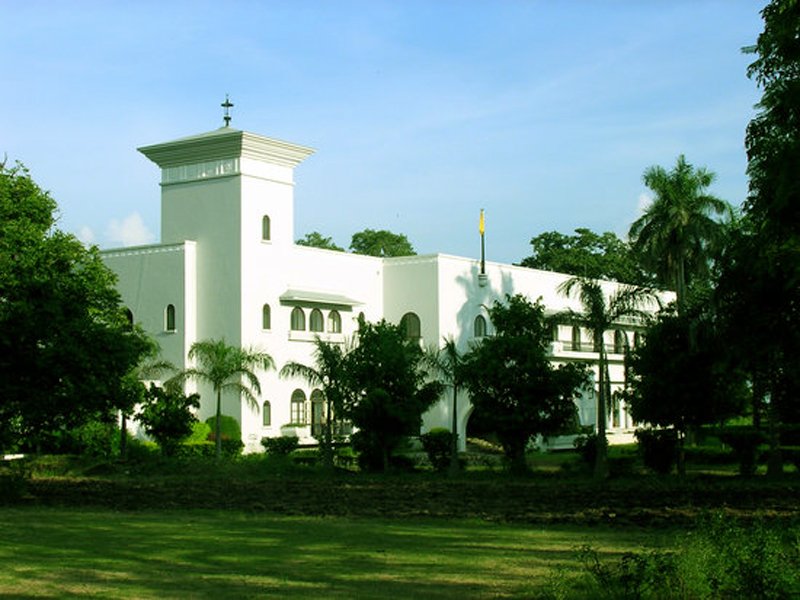
Morning, visit Indore city. Later drive to Dhar. Jhira Bagh Palace is hundreds of acres of private estate away from all kinds of pollution. It is situated in the heart of Malwa, on the plains of Malwa Plateau in Dhar in Western Madhya Pradesh.
Overnight stay at the hotel.
Jhira Bagh Palace, Sightseeing
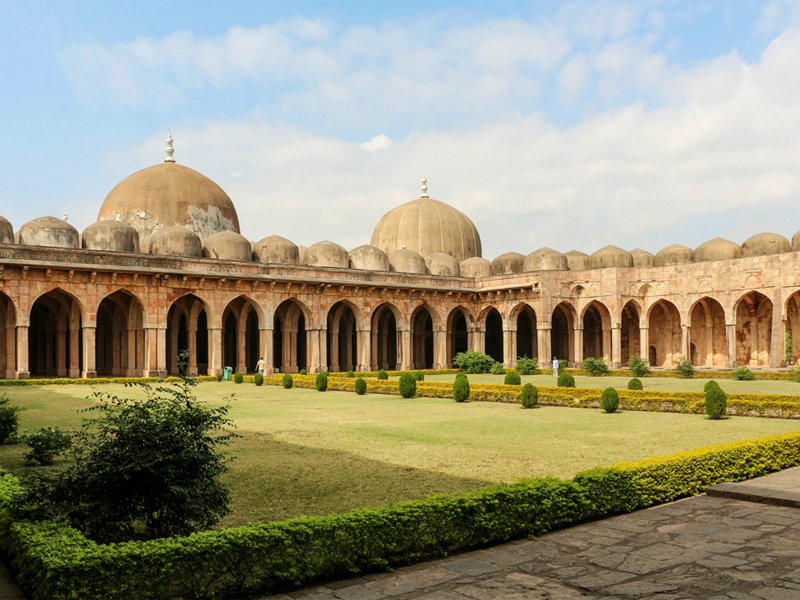
Morning, full day excursion to Mandu. The distance between Dhar & Mandu is about 35KM. In the 11th century. This fortress town on a rocky outcrop & is celebrated for its fine architecture. Mandu celebrates in stone the life and love of the poet-prince Baz Bahadur for his consort, Rani Roopmati. The balladeers of Malwa still sing of the romance of these royal lovers. High on the crest of a hill, Rani Roopmati's pavilion gazes down at Baz Bahadur's palace, a magnificent expression of Afgan architecture.The buildings of Mandu can be divided in three groups: the Royal Enclave Group, the Village Group, and the Rewa Kund Group. Village Group: Jama Masjid is a huge mosque built in 1454 dominating the village of Mandu and is considered the finest example of Afghan architecture in India.
Overnight stay at the hotel.
Jama Masjid, Baz Bahadur's palace
Morning drive to Indore. On arrival at Indore, departure transfer to domestic airport for connect flight to Delhi. On arrival at Delhi, meet, assist & transfer to international airport for connect flight to home destination.
Plan around the season that best matches comfort, value and the pace of this journey.
No Inclusion
They say that Ganga comes to Narmada every year, black with pollution, to purify herself and return to the North cleansed once again. They say that to wash away your sins you must bathe three times in the Saraswati, long lost to the desert, for a whole week in the Yamuna, once in Ganga herself; but of lovely Narmada the sight alone is enough...